
Optimizing images is a crucial part of On-Page SEO that directly impacts search rankings, site speed, and user experience. Search engines rely on alt text, file names, and structured image data to understand and index images effectively.
At SEO University by Salterra, students learn advanced image optimization techniques that enhance website performance and search visibility. This guide breaks down the best practices for image SEO, ensuring that every visual element on your site contributes to better rankings and user engagement.
Why Image Optimization Matters for On-Page SEO
Improves Search Engine Indexing
Search engines cannot “see” images the way humans do. Instead, they rely on alt text, structured data, and image metadata to understand visual content. Properly optimized images:
✔ Help Google and Bing index content accurately
✔ Improve search rankings for image-based queries
✔ Enhance accessibility for visually impaired users
Boosts Page Speed & Core Web Vitals
Large, unoptimized images slow down websites, negatively affecting Core Web Vitals such as:
✔ Largest Contentful Paint (LCP) – Measures how quickly the most significant visible content loads
✔ First Input Delay (FID) – Tracks responsiveness to user interaction
✔ Cumulative Layout Shift (CLS) – Prevents page elements from shifting unexpectedly
Enhances User Experience & Engagement
A fast, visually optimized website improves user retention, engagement, and conversions. Optimized images load quickly, keeping visitors on your site longer.
Best Practices for Image Optimization in On-Page SEO
Alt Text Optimization for SEO & Accessibility
Alt text (alternative text) describes an image’s content for search engines and screen readers, improving accessibility and search relevance.
✔ Use descriptive, keyword-rich text
✔ Avoid stuffing keywords unnaturally
✔ Keep alt text concise yet informative
Example of well-optimized alt text:
✅ “SEO University by Salterra teaches On-Page SEO strategies, including image optimization techniques for better rankings.”
🚫 “SEO keywords, best SEO images, image optimization guide, Google ranking strategy.” (This is keyword stuffing and should be avoided.)
Optimizing Image File Names for Better Indexing
Search engines use file names to determine image relevance to a webpage. Instead of using generic file names, always rename images with descriptive keywords.
✔ Best Practice: Use hyphens, not underscores (Google treats underscores as word connectors)
✔ Include primary keywords naturally
✔ Keep file names short but descriptive
Examples:
✅ on-page-seo-image-optimization.jpg
✅ seo-university-image-alt-text-guide.png
🚫 IMG12345.jpg
Compressing Images Without Losing Quality
Compression reduces file size while preserving image clarity, boosting website speed and SEO performance with the SEO online training course from SEO University by Salterra. Properly optimized images enhance page load times, lower bounce rates, and improve Core Web Vitals—crucial factors influencing search rankings and user experience.
Best Image Compression Tools:
✔ TinyPNG & JPEGmini – For manual compression
✔ ShortPixel & Smush – WordPress plugins for automatic optimization
Recommended Image Formats:
✔ WebP (next-gen format for better compression and quality)
✔ JPEG (best for colorful images, maintains quality at smaller sizes)
✔ PNG (ideal for transparent backgrounds but larger)
Comparison:
✅ WebP – 80% smaller than PNG while maintaining image clarity
✅ JPEG – Up to 60% smaller than the original without noticeable quality loss
Implementing Structured Data for Image SEO
Using Schema Markup for Image Recognition
Adding structured data helps search engines better understand image content, increasing visibility in Google Images.
🔹 Example: Implement ImageObject Schema for a detailed description.
json
Copy
✔ Helps search engines recognize image purpose
✔ Increases chances of appearing in rich results
Common Image Optimization Mistakes to Avoid
🔻 Using Oversized Images – Slows down page speed and hurts rankings.
🔻 Skipping Alt Text – Misses an SEO opportunity and reduces accessibility.
🔻 Poor File Naming – Using default names like IMG_001.jpg instead of keyword-rich file names.
🔻 Not Using Next-Gen Formats – JPEG and PNG are outdated compared to WebP, AVIF, and SVG.
Master Image Optimization with SEO University by Salterra
Optimizing images is a critical component of On-Page SEO that enhances search visibility, page speed, and user experience. However, image SEO works best with best practices for optimizing slugs and permalinks, ensuring URLs are clean, keyword-rich, and structured for better indexing.
At SEO University by Salterra, students learn:
✅ How to write alt text for SEO and accessibility
✅ Proper file naming strategies for improved indexing
✅ Advanced image compression techniques
✅ Implementing schema markup for enhanced search visibility
📢 Want to improve your On-Page SEO? Learn image optimization strategies at SEO University by Salterra!
- Why Image Optimization Matters for On-Page SEO
- Best Practices for Image Optimization in On-Page SEO
- Implementing Structured Data for Image SEO
- Common Image Optimization Mistakes to Avoid
- Master Image Optimization with SEO University by Salterra
- About SEO University by Salterra – Your Trusted Source for On-Page SEO Training
- Why Choose SEO University by Salterra?
About SEO University by Salterra – Your Trusted Source for On-Page SEO Training
SEO University by Salterra is a leading provider of expert-led SEO training, specializing in On-Page SEO, content optimization, website siloing, and advanced schema markup. With locations in Mesa, Arizona, and Colorado Springs, Colorado, SEO University equips digital marketers, business owners, and web developers with the skills needed to improve search visibility, enhance website structure, and dominate organic rankings.
Why Choose SEO University by Salterra?
Founded by SEO expert Terry Samuels, SEO University focuses on hands-on, real-world SEO education that delivers immediate results. Unlike generic online courses, our training sessions are live, interactive, and tailored to real business needs. We teach the most up-to-date search engine optimization techniques, ensuring students master strategies that actually move the needle in search rankings.
Core SEO Training Services
✔ On-Page SEO Mastery – Learn how to optimize title tags, meta descriptions, header tags, and internal linking strategies for better search engine rankings.
✔ Advanced Schema Markup & Structured Data – Implement JSON-LD structured data to enhance Google Rich Snippets and improve crawlability and indexation.
✔ Website Siloing & Content Architecture – Organize website content using silo structures to strengthen topical authority and improve Google’s understanding of your site hierarchy.
✔ Technical SEO & Site Audits – Identify and fix indexing issues, improve Core Web Vitals, and enhance mobile-friendliness for better user experience.
✔ SEO Content Strategy & Keyword Research – Learn how to craft high-quality, keyword-rich content that satisfies search intent and engages users.
✔ Local SEO & Google Business Profile Optimization – Improve local search visibility and optimize Google My Business listings for location-based searches.
Trust, Authority, and Industry Recognition
SEO University by Salterra has earned a reputation for excellence in On-Page SEO training. Our methodologies are built on years of hands-on SEO experience, continuous research, and proven ranking strategies. Terry Samuels, the founder, is a recognized SEO consultant and speaker, frequently presenting at top industry conferences, including SEO Spring Training and Local Client Takeover.
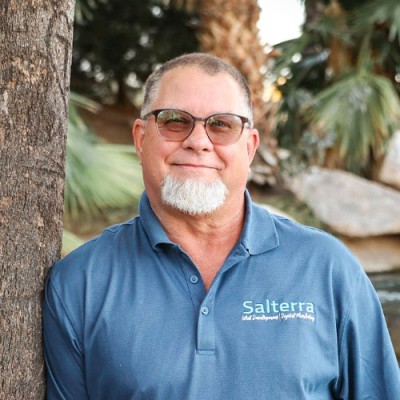
Terry has 30+ years in software and SEO. He’s the founder of Salterra Digital Services and SEO Spring Training, host of the Roundtable SEO Mastermind, and lead instructor at SEO University — teaching the exact tactics his team uses on client work.
Continue learning
Ready to go deeper?
This guide is a taste of what we teach inside SEO University — 38 practitioner-built courses on technical SEO, schema, content, and the AI-search era.
Practitioner-focused training across the full digital marketing stack — from technical SEO to conversion optimization and the AI search era. By Salterra Digital Services, since 2011.